Longer-form write-ups of what comes out of the lab: what a pre-print or paper shows, why we built a tool the way we did, and what we are still working out. Each post links to related social media posts and papers/pre-prints.
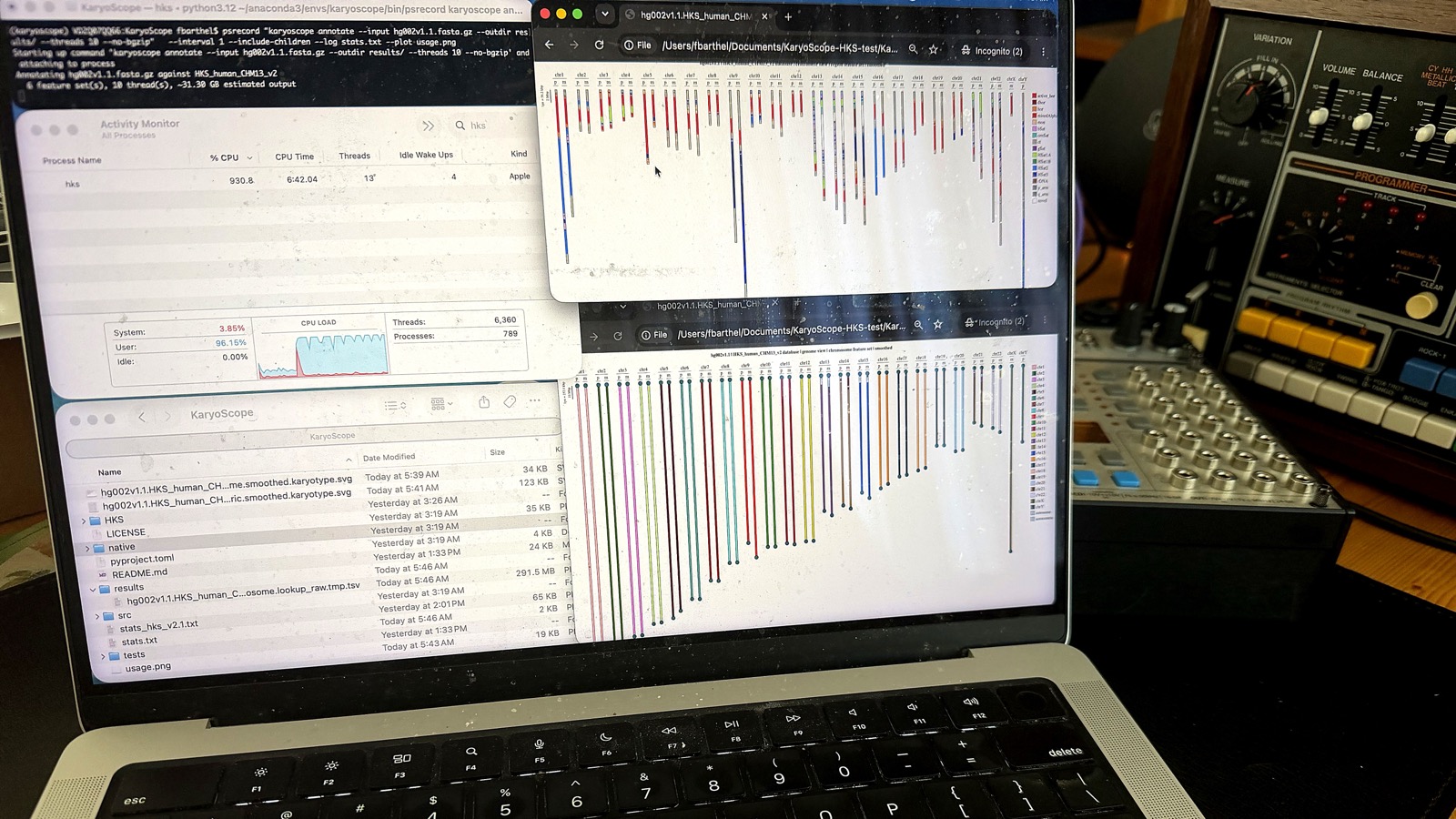
Excited to share a big KaryoScope update this past week: the HKS k-mer backend is now integrated, and you can build databases for any features of interest. The complete Human Pangenome Reference Consortium HG002 assembly (~6.3 Gbp) now annotates in 21 minutes on a MacBook Pro.
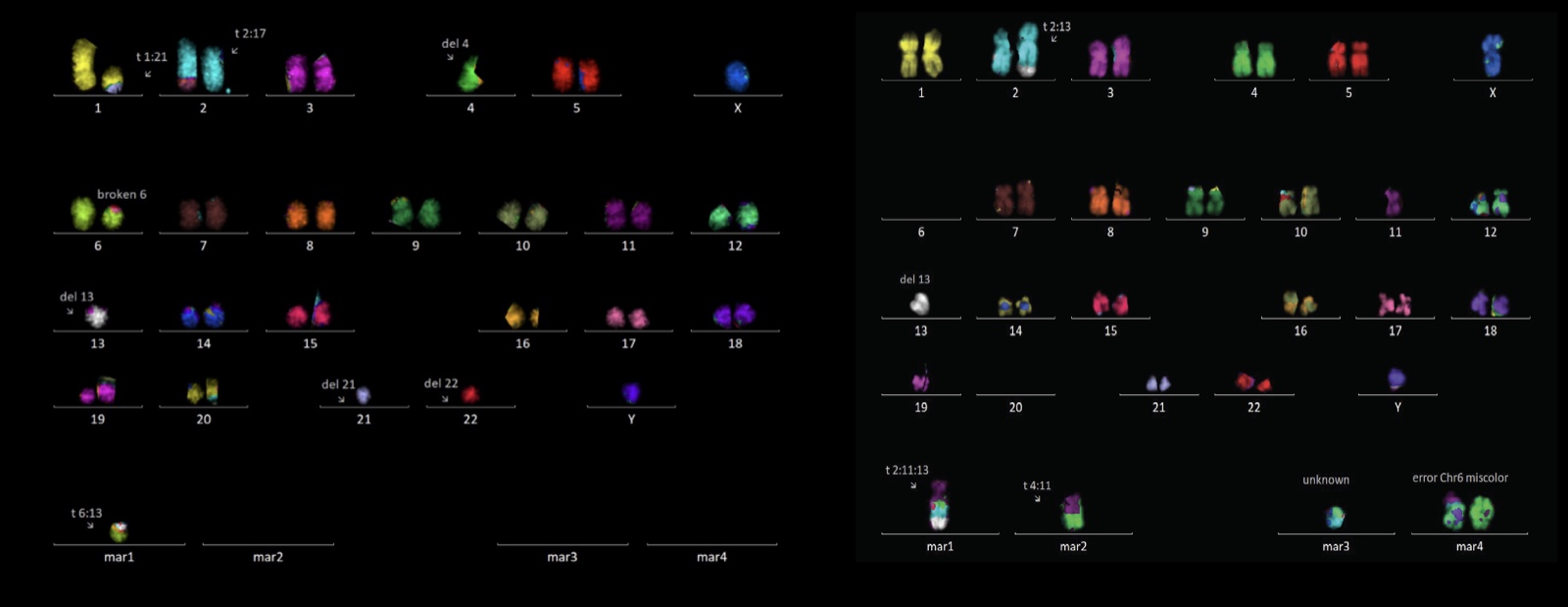
Telomere crisis is an engine of genomic instability, driving the structural evolution of cancer genomes. Our new preprint finds this damage isn’t random: it converges on the nucleolus and the chromosomes that build it.
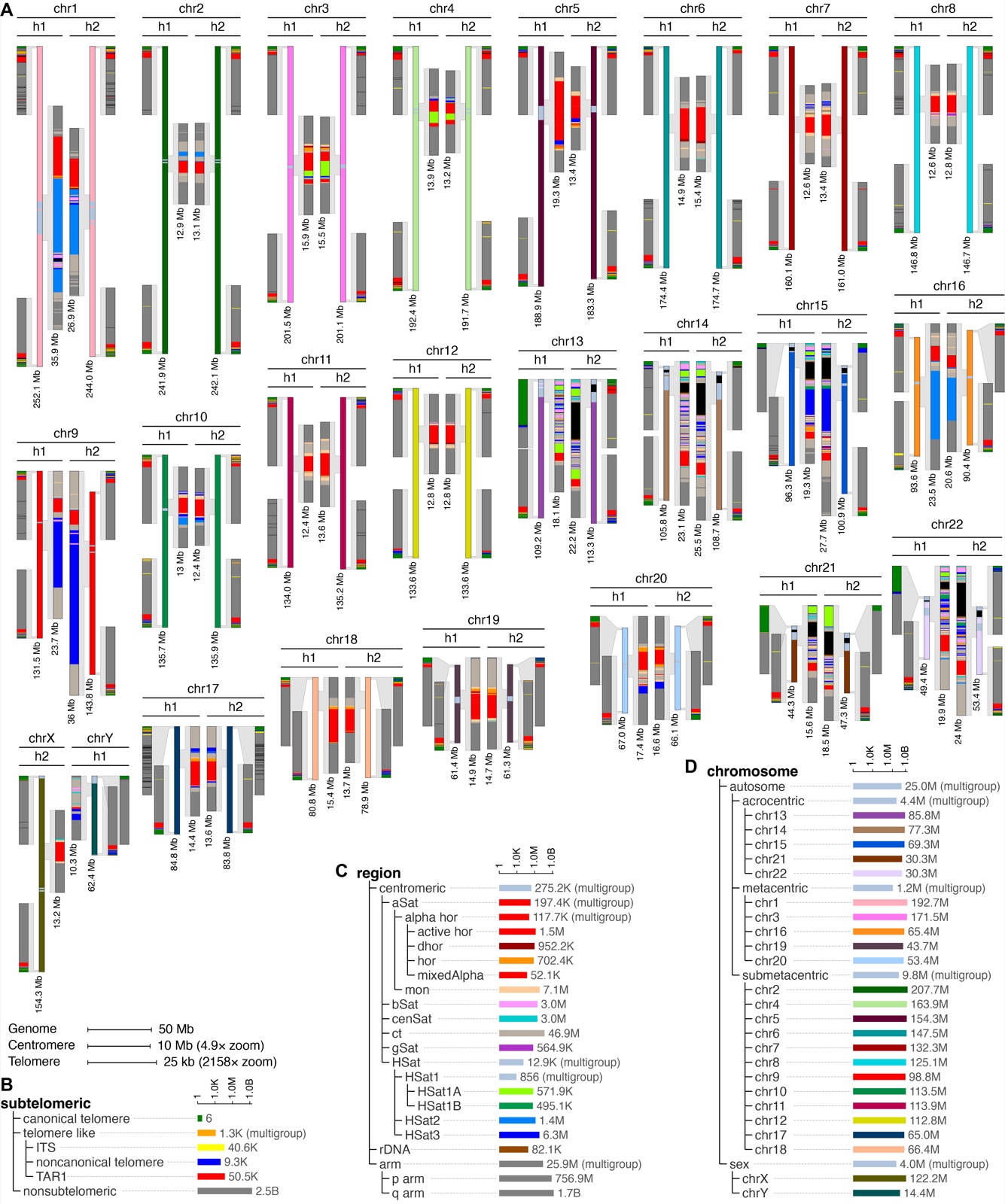
The human genome’s most variable and clinically important regions (centromeres, telomeres, and acrocentric short arms) have been the hardest to study at scale. Thrilled to share KaryoScope, our new preprint that brings them within reach.
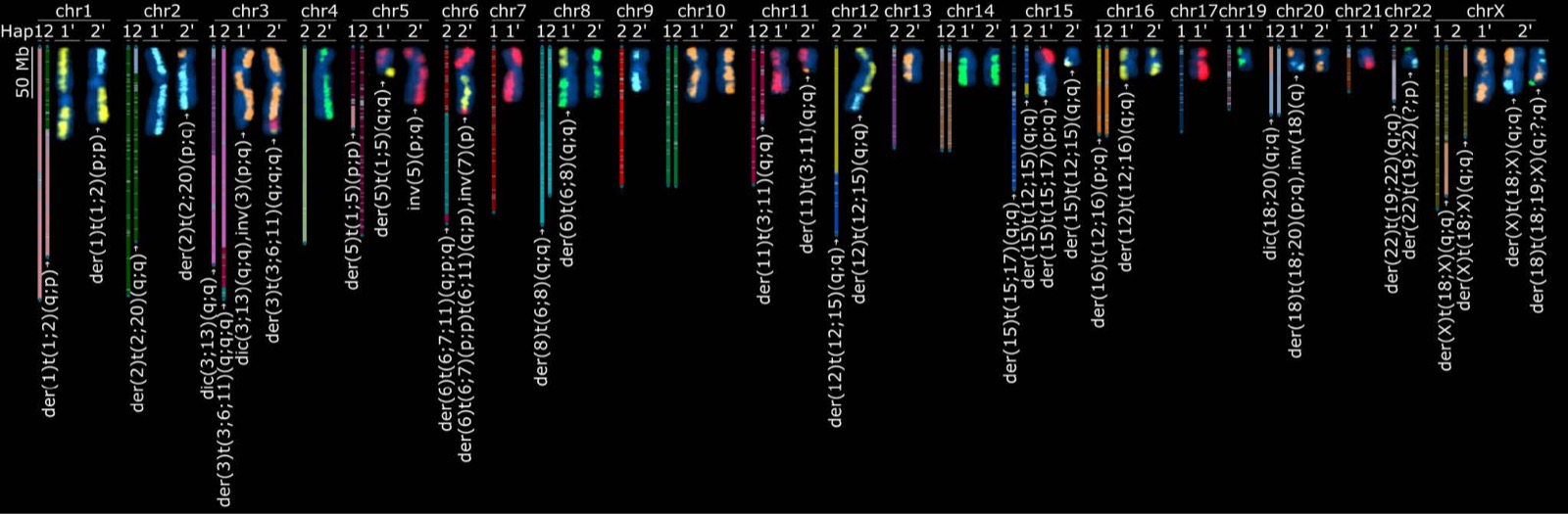
Excited to contribute to a new preprint led by Justin Zook and the NIST/GIAB team: “A complete human pancreatic cancer genome”, the first near-complete, haplotype-resolved tumor cell line assembly (HG008-T, hypodiploid PDAC).
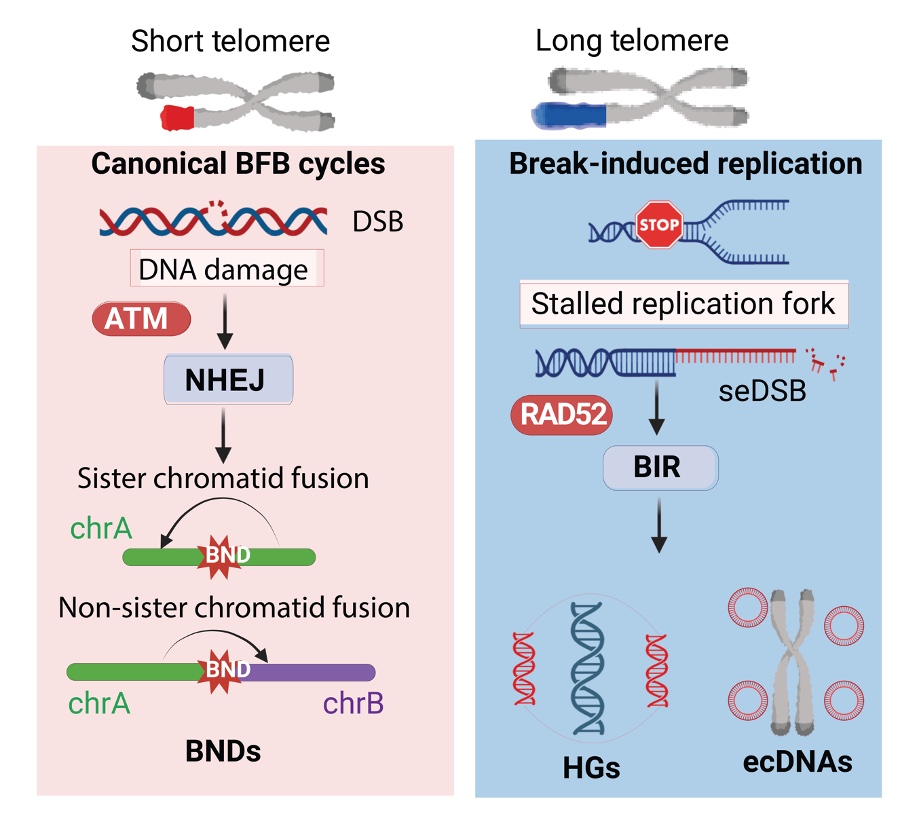
New preprint! We used Oxford Nanopore long-read sequencing to ask: does chromosome-arm-specific telomere length shape how IDH-mutant astrocytoma genomes evolve? Short answer: yes, and in two opposite directions.